Table of Contents
Kubernetes and Cloud Native Security Associate KCSA Quick Facts
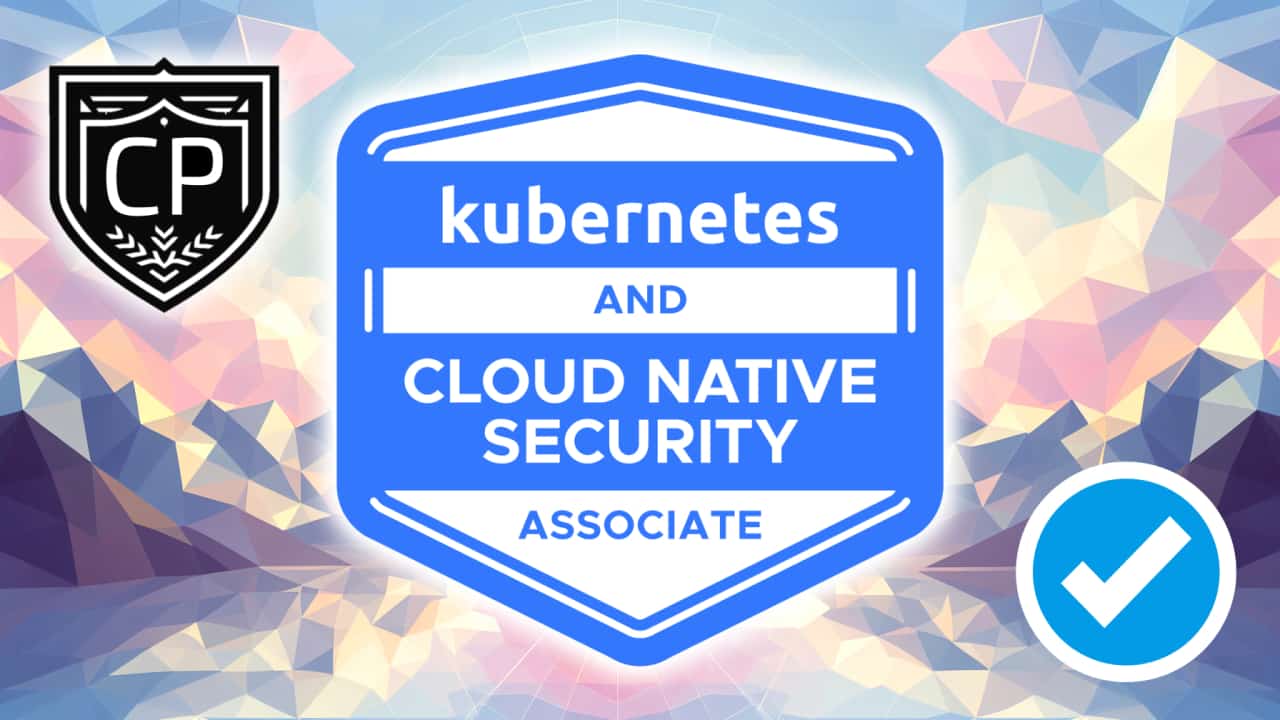
The Kubernetes and Cloud Native Security Associate (KCSA) certification helps professionals gain confidence in securing Kubernetes clusters and cloud native environments. This overview guides you through key exam details and domain coverage so you can focus your learning and prepare efficiently for success.
What is the Kubernetes and Cloud Native Security Associate certification all about?
The KCSA certification validates your understanding of cloud native security principles, Kubernetes architecture, and the critical mechanisms used to secure workloads and clusters. It’s ideal for learners building a foundation in modern security practices across containers, microservices, and cloud platforms. Through this certification, you’ll demonstrate practical knowledge of Kubernetes security controls, threat modelling, and compliance frameworks that are essential in today’s cloud native ecosystem.
Who Should Earn the Kubernetes and Cloud Native Security Associate (KCSA) Certification?
The Kubernetes and Cloud Native Security Associate (KCSA) certification is tailored for individuals who want to launch or advance their careers in cloud native security. It’s perfect for learners seeking to understand the fundamentals of securing containerized applications and Kubernetes environments.
This certification is ideal for:
- Newcomers to Kubernetes or cloud security
- Junior DevOps or site reliability engineers (SREs)
- Cloud architects and platform engineers developing secure workflows
- IT professionals transitioning into cybersecurity or cloud native roles
- Students and recent graduates interested in cloud computing and open-source technologies
The KCSA sets you apart as someone ready to contribute to modern, container-based security practices. It’s the first step toward building deep expertise in Kubernetes security.
What Does the KCSA Certification Prove?
Earning the KCSA certification demonstrates that you understand the foundational security concepts within Kubernetes and the wider cloud native ecosystem. It validates your ability to identify security boundaries, manage authentication and authorization, and apply best practices around supply chain and infrastructure security.
This credential also signals to employers that you can:
- Recognize and mitigate common Kubernetes security risks
- Understand the shared responsibility between cloud providers and users
- Use sound judgment about compliance and threat modeling frameworks
- Approach security challenges from a holistic, cloud native perspective
What Job Roles Can the KCSA Help You Attain?
While KCSA is an entry-level certification, it leads directly into roles where cloud and security expertise intersect. It’s especially beneficial for roles such as:
- Cloud Security Associate
- Kubernetes Security Analyst
- DevSecOps Engineer (Junior)
- Cloud Native Engineer
- Platform Operations Support
- Container Security Analyst
It also prepares you to continue toward professional-level Kubernetes credentials, such as the Certified Kubernetes Administrator (CKA) or the Certified Kubernetes Security Specialist (CKS).
What Is the Code and Format of the KCSA Exam?
The official exam code is KCSA. The exam is online and proctored, consisting entirely of multiple-choice and multi-select questions. It focuses on conceptual understanding rather than hands-on lab performance, making it accessible for learners at any level of experience.
You will be allotted 90 minutes to complete the exam.
How Much Does the KCSA Exam Cost?
The KCSA exam costs $250 USD. This price includes:
- 12 months of eligibility to schedule your exam
- Two exam attempts (one free retake)
- Access to the official exam documentation and resources
You can also purchase a bundle that combines the exam with a Linux Foundation learning subscription for greater long-term value.
How Many Questions Are on the Exam?
The exam contains 60 multiple-choice or multiple-select questions. These questions are designed to measure competence across six defined domains that cover areas like Kubernetes components, cloud native security concepts, and threat modeling.
Each question is carefully designed to test real-world comprehension, ensuring that you understand not just what to do—but why to do it.
What Is the Passing Score for KCSA?
To successfully earn your KCSA credential, you need to achieve a 75% passing score. This percentage-based system is straightforward, meaning your overall average performance across all domains determines your result.
A balanced understanding of all domains gives you the best chance to succeed, as the test assesses both broad awareness and scenario-based reasoning about Kubernetes security.
What Languages Is the Exam Available In?
Currently, the KCSA exam is offered in English. As Linux Foundation certifications continue to grow globally, additional language options may become available, ensuring more professionals can access this valuable credential.
How Long Is the KCSA Certification Valid?
Your Kubernetes and Cloud Native Security Associate certification remains valid for 2 years after you pass the exam. Renewal ensures your skills stay sharp as cloud native technologies evolve rapidly. Re-certifying also highlights your commitment to continuous learning and professional growth.
Are There Any Prerequisites?
There are no prerequisites for the KCSA exam. Anyone interested in cloud native security can register and take the test. However, you’ll benefit from having a basic understanding of Kubernetes concepts and general networking or cloud fundamentals.
If you’re brand new to Kubernetes, the Linux Foundation provides free introductory courses to help you get started before diving into exam preparation.
How Difficult Is the KCSA Exam?
The KCSA is built for beginners, yet it’s comprehensive enough to assess clear understanding and applied reasoning. It’s not about memorizing commands — it’s about proving that you grasp how cloud native environments protect workloads, data, and infrastructure.
Preparing with hands-on labs, community discussions, and realistic practice tests can give you a clear advantage and build your confidence in applying these concepts.
What Are the KCSA Exam Domains and Their Percentages?
The KCSA covers six weighted domains that together form a complete picture of Kubernetes and cloud native security:
- Overview of Cloud Native Security
- Kubernetes Cluster Component Security
- Kubernetes Security Fundamentals
- Kubernetes Threat Model
- Platform Security
- Compliance and Security Frameworks
What Core Topics Should You Study Most?
To be fully prepared for the KCSA exam, focus your study efforts on the following fundamental areas:
- Secure Kubernetes components like the API server, scheduler, and etcd
- Understanding how certificates, secrets, and policies protect workloads
- Mastering isolation techniques for containers and namespaces
- Implementing auditing and logging best practices
- Recognizing compliance controls and tooling for cloud native environments
Hands-on practice in Kubernetes clusters (local or managed) reinforces theoretical understanding.
How Long Should You Study for the KCSA?
Most learners benefit from around 4 to 6 weeks of structured study if dedicating a few hours each week. This allows enough time to understand Kubernetes architecture, review cloud native security principles, and take multiple practice exams for self-assessment.
Determining your own schedule depends on prior experience, but consistent progress and review sessions typically lead to outstanding results.
How Can You Best Prepare for the KCSA Exam?
The most effective strategy for success includes a mix of official training, practice tests, and community engagement:
- Enroll in the Kubernetes and Cloud Native Essentials (LFS250) course
- Explore Introduction to Kubernetes (Free) from the Linux Foundation
- Reinforce learning with hands-on labs in environments like Minikube or kind
- Study security-focused Kubernetes documentation and whitepapers
- Join open-source or DevSecOps communities for peer collaboration
- Practice continuously with realistic KCSA practice exams that simulate the actual test and include detailed explanations
Combining these approaches will help you gain confidence and master key exam areas.
What Study Resources Does the Linux Foundation Offer?
The Linux Foundation provides an outstanding range of preparation materials:
- Online training courses like Kubernetes and Cloud Native Essentials
- The KCSA Candidate Handbook and Exam Guide
- Free content on the official learning portal, including security-focused blogs and videos
- Subscription options that unlock over 100 course titles and certifications for a comprehensive learning path
Their materials are designed by Kubernetes experts, ensuring you learn directly from the source of open-source innovation.
What Happens After You Pass the KCSA Exam?
After successfully earning your KCSA certification, you’ll receive an official digital badge. You can add it to your LinkedIn, GitHub, and LFX profiles to showcase your achievement publicly.
You may choose to continue your journey with certifications like:
- Linux Foundation Certified System Administrator (LFCS)
- Certified Kubernetes Administrator (CKA)
- Certified Kubernetes Security Specialist (CKS)
These build upon the strong foundation that KCSA provides.
How Long Does It Take to Receive Your Results?
You’ll typically receive your exam results shortly after completing the test. Your report will indicate whether you passed and may include performance insights across the exam domains, helping you understand your strengths and areas for growth.
What Are Some Common Mistakes Candidates Should Avoid?
To make the most of your preparation, try to avoid these common pitfalls:
- Overlooking fundamental Kubernetes concepts before diving into security
- Neglecting topics like compliance frameworks and automation tools
- Relying too heavily on memorization rather than understanding context
- Skipping practice tests and real-world assessments
Building a rhythm of study, practice, and review produces the best long-term mastery.
How Is the KCSA Different from Other Security Certifications?
Unlike vendor-specific certifications tied to a single platform, the KCSA is vendor-neutral, meaning it equips you with principles that apply broadly across the cloud native ecosystem — from AWS and Azure to Google Cloud or on-prem Kubernetes clusters.
This emphasis on portability and open-source knowledge makes KCSA uniquely valuable for professionals working across multiple technology stacks.
What Type of Experience Level Does the Exam Target?
The KCSA is a beginner-level certification, specifically labeled as pre-professional by the Linux Foundation. It’s ideal for those just getting started in Kubernetes or container security yet committed to expanding into advanced professional roles.
Even if you have no prior Kubernetes experience, this exam sets a strong baseline for future certifications in the ecosystem.
Where Can You Learn More or Register for the KCSA?
You can learn more about the official certification, eligibility, and enrollment details directly from the Linux Foundation’s official KCSA certification page. There you’ll find updated information, registration links, and valuable supporting documents to help you plan your next step toward certification success.
The Kubernetes and Cloud Native Security Associate (KCSA) certification is a remarkable starting point for anyone eager to make an impact in cloud security. It blends foundational technical insight with industry-recognized credibility, helping you advance your career confidently in the world of cloud native computing.