Table of Contents
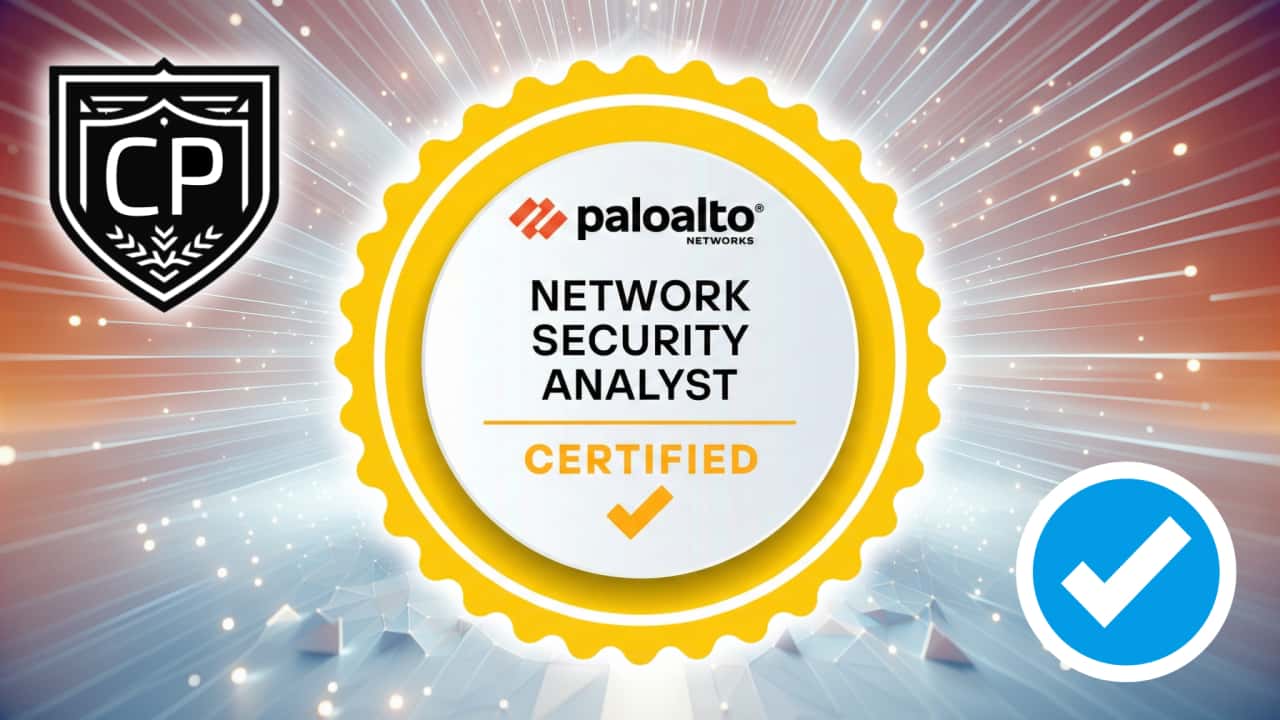
Palo Alto Networks Certified Network Security Analyst Quick Facts
The Palo Alto Networks Certified Network Security Analyst (PCNSA) Strata Cloud Manager certification empowers professionals to confidently manage, secure, and optimize enterprise networks through a unified, cloud-delivered platform. This exam overview brings together essential insights to help you focus your preparation and build the expertise needed to excel in modern security operations.
How does the PCNSA Strata Cloud Manager certification elevate your cybersecurity expertise?
The PCNSA Strata Cloud Manager certification validates your ability to configure, deploy, and manage Palo Alto Networks next-generation firewalls and cloud-managed environments using Strata Cloud Manager. It demonstrates proficiency in applying security and decryption profiles, creating and enforcing policies, and utilizing centralized management tools to enhance visibility, automate workflows, and strengthen overall network defense. This credential is ideal for security engineers, administrators, and analysts who want to advance their operational confidence with Palo Alto Networks’ unified management solutions.
Who Should Consider the Palo Alto Networks Certified Network Security Analyst (Strata Cloud Manager) Certification?
The Palo Alto Networks Certified Network Security Analyst certification is designed for cybersecurity professionals who want to validate their expertise in firewall management, network security policies, and centralized operations with Strata Cloud Manager (SCM).
It’s an excellent choice for:
- Network Security Analysts and Administrators
- SOC Operators and Engineers
- IT Professionals responsible for Palo Alto Networks deployments
- Security enthusiasts eager to advance their hands-on security management knowledge
If you work in network operations, cybersecurity architecture, or security administration, this certification is a meaningful step toward mastering secure network infrastructure management using Palo Alto Networks’ powerful cloud-managed platform.
What Does the Palo Alto Networks Certified Network Security Analyst Exam (PCNSA) Validate?
This certification verifies the knowledge and technical skills required to configure, manage, and operate Palo Alto Networks network security systems through Strata Cloud Manager (SCM). Candidates demonstrate competency in object and policy creation, troubleshooting, and the use of advanced management tools to improve security posture.
This credential serves as proof that you can deploy, monitor, and optimize Palo Alto Networks’ AI-driven network security technologies—essential skills in modern cloud and hybrid environments.
What Roles Can You Pursue After Earning This Certification?
Becoming a Palo Alto Networks Certified Network Security Analyst opens the door to respected roles such as:
- Network Security Analyst
- Firewall Administrator
- SOC Analyst
- Cloud Security Operations Specialist
- Security Infrastructure Engineer
These positions often play key roles in safeguarding enterprise networks while ensuring scalable, centralized policy enforcement across global infrastructures.
How Many Questions Are on the PCNSA Exam?
The Palo Alto Networks Certified Network Security Analyst exam includes a total of 75 questions. You’ll encounter a combination of multiple-choice and multi-select questions designed to measure both theoretical understanding and practical configuration knowledge.
Ensuring that you fully understand the use of Strata Cloud Manager and its associated components will help you perform efficiently during the exam.
How Long Do Candidates Have to Complete the Exam?
You are given 90 minutes to complete the exam. This generous time allocation allows candidates to thoughtfully read, analyze, and answer each scenario-based question. The key is pacing—treat the exam as a reflection of real-world situations where accuracy and decision-making matter as much as speed.
What Score Do You Need to Pass?
To achieve certification, you must earn a minimum score of 70%. Palo Alto Networks uses a weighted scoring model based on domain performance. This ensures that every candidate demonstrates balanced competence across all areas, from object and policy creation to troubleshooting and centralized management in SCM.
How Much Does the PCNSA Exam Cost?
The cost to take the Palo Alto Networks Certified Network Security Analyst exam is $250 USD. Depending on your region, taxes or conversion rates may apply. For many professionals, this is a worthwhile investment that enhances career opportunities and credibility in the cybersecurity field.
In What Languages Is the Exam Offered?
Currently, the PCNSA exam is available in English worldwide. Non-native English speakers testing in countries where English is not the primary language automatically receive an additional 30-minute extension, providing extra time to ensure comprehension and accuracy.
What Is the Exam Code for the Network Security Analyst Certification?
The exam code is PCNSA. This designation typically represents the Palo Alto Networks Certified Network Security Analyst credential across Palo Alto Networks certification resources and training materials. It’s useful to reference this code when scheduling or verifying exam details through authorized testing providers.
What Format Does the PCNSA Exam Follow?
The PCNSA exam format includes multiple-choice and multiple-select questions. Each question assesses your ability to configure, analyze, and optimize Palo Alto Networks systems via Strata Cloud Manager. Some questions may present scenarios requiring practical reasoning to identify the most effective security approach or configuration.
What Domains Are Covered on the PCNSA Exam?
The PCNSA blueprint consists of four essential domains, each focusing on core aspects of network security operations:
- Object Configuration Creation and Application
- Policy Creation and Application
- Management and Operations
- Troubleshooting
Each domain covers critical topics such as creating and applying security profiles, NAT and decryption policies, centralized management via SCM, and resolving common misconfigurations.
What Are the Most Important Topics to Study?
To prepare effectively, concentrate on these primary knowledge areas:
- Security and Decryption Profiles – Understand how to create and apply policies that enhance visibility and control.
- Policy Rules and NAT Management – Learn to configure and review network, decryption, and DoS protection policies.
- Strata Cloud Manager Administration – Practice using folders, snippets, automations, and variables for scalable management.
- Log Analysis and Troubleshooting – Develop skill in using command centers, activity insights, and incident logs.
- SD-WAN and IoT Security – Be comfortable configuring next-generation policies for distributed networks.
Hands-on experience in a lab environment will help validate and solidify your understanding in each of these core areas.
Is the PCNSA Certification Difficult?
The PCNSA certification is approachable, especially for candidates with practical experience in firewall administration and network security concepts. The exam focuses on verifying job-ready skills rather than obscure theory, allowing you to prove your readiness to handle real-world network security challenges confidently and efficiently.
Are There Any Prerequisites for the PCNSA Exam?
There are no mandatory prerequisites to take the PCNSA exam. However, you’ll benefit from having:
- Experience managing Palo Alto Networks firewalls
- Understanding of basic network security principles
- Familiarity with network operations, IP routing, and traffic inspection
For formal learning, you can explore courses in the official Palo Alto Networks training path, which align closely with exam objectives.
How Should You Prepare for the PCNSA Certification Exam?
A balanced mix of theoretical study and practical lab exercises is the best approach. Palo Alto Networks offers high-quality learning materials designed for this certification. You can also use independent study aids, tutorials, and guided exercises.
To reinforce your readiness, try one of the most realistic PCNSA Strata Cloud Manager practice exams that mirrors the real test environment and explains answers in context.
How Long Is the PCNSA Certification Valid?
The PCNSA credential typically remains valid for three years. After that period, you can recertify by passing the current version of the exam, allowing you to stay up-to-date with evolving technologies within the Palo Alto Networks ecosystem.
Can You Take the Exam Online or In Person?
Yes, candidates can choose between convenient online proctored testing or in-person exams at authorized Pearson VUE testing centers. The online option is ideal for those who prefer to take the test from home, provided they have a stable internet connection and a quiet testing environment.
What Study Materials Are Recommended?
The most effective preparation uses a blend of official and supplemental resources:
- Palo Alto Networks Training and Documentation
- Hands-on Labs with Strata Cloud Manager
- Community Forums and Study Groups
- Practice Exams for Scenario Familiarity
Focus on understanding functionality and intent rather than memorizing commands, as the exam evaluates applied knowledge and reasoning.
How Is the Exam Scored?
Each question contributes to a weighted score reflecting your performance in each domain. The final passing score is 70%, but Palo Alto Networks assesses results on a competency model rather than per-domain pass marks. This ensures your overall ability meets the certification’s standards for security analysis and management.
What Type of Experience Helps Before Taking the Exam?
Experience configuring Palo Alto Networks firewalls or working with next-generation security platforms provides a solid foundation. Familiarity with security policy creation, Strata Cloud Manager dashboards, and event analysis tools will give you the confidence to tackle every section effectively.
What’s the Best Way to Stay Certified and Continue Learning?
After earning your PCNSA certification, continue exploring advanced credentials in the Palo Alto Networks ecosystem. Certifications like PCNSE (Palo Alto Networks Certified Network Security Engineer) and Cortex XSIAM Analyst further deepen your expertise in automation, threat detection, and AI-powered security operations.
Staying engaged with Palo Alto Networks’ learning community ensures you remain current with evolving technologies and best practices in cloud-delivered security.
Where Can You Register for the Official Palo Alto Networks Certified Network Security Analyst (Strata Cloud Manager) Exam?
You can learn about registration, recommended training, and certification policies through the official Palo Alto Networks Certified Network Security Analyst certification page. There, you’ll find details about scheduling your PCNSA exam, reviewing exam policies, and accessing your learning path.
Earning your Palo Alto Networks Certified Network Security Analyst (PCNSA) certification is an outstanding way to demonstrate your capability in enterprise-grade network security and management. With diligent preparation and hands-on experience, you’ll be well-equipped to manage and secure the next generation of intelligent, cloud-connected networks.