Table of Contents
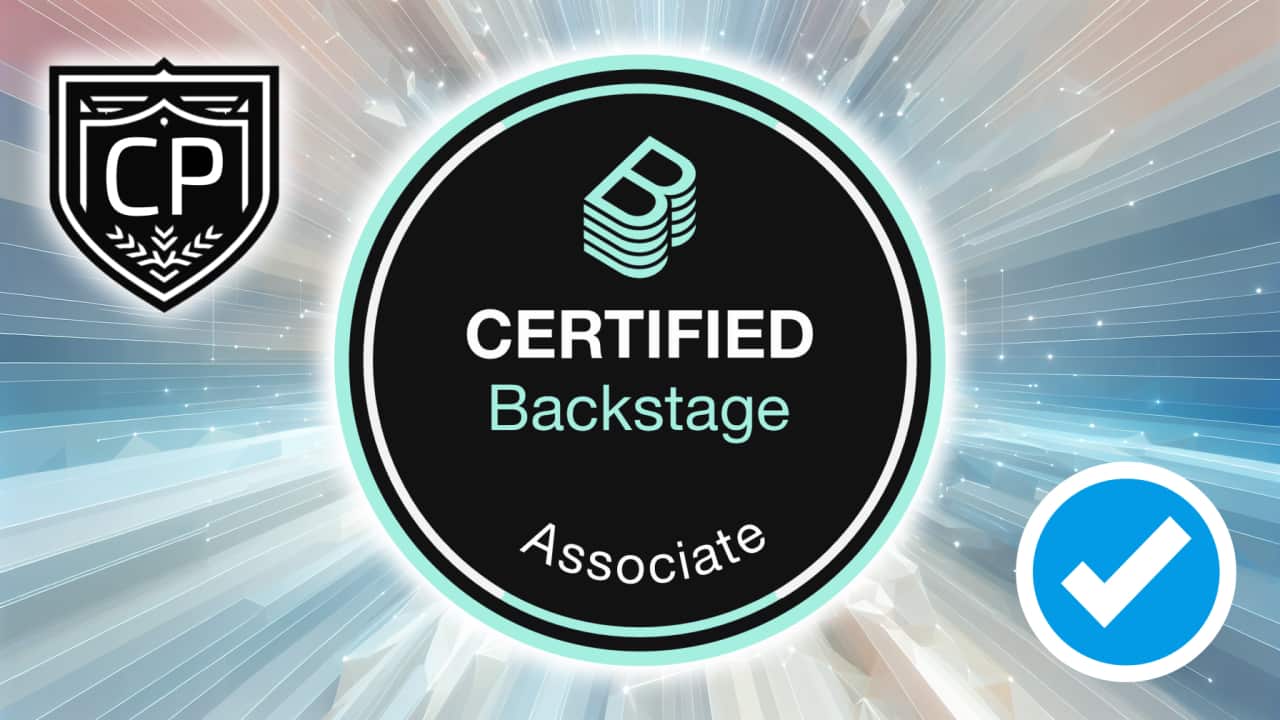
Kubernetes and Cloud Native Certified Backstage Associate CBA Quick Facts
The Kubernetes and Cloud Native Certified Backstage Associate (CBA) certification empowers professionals to confidently build, configure, and customize Backstage environments for real-world developer portals. This guide highlights everything you need to know about the exam, giving you a clear and encouraging overview of its structure and topics.
Exploring the Kubernetes and Cloud Native Certified Backstage Associate Certification
The CBA certification validates your foundational understanding of the Backstage developer portal and its ecosystem within Kubernetes and cloud native environments. It demonstrates your ability to work with Backstage configurations, catalogs, plugins, and deployment workflows while applying modern DevOps and software catalog practices. Ideal for engineers, platform teams, and developers who want to strengthen internal developer platform expertise, this certification helps you confidently create, extend, and maintain Backstage instances that power efficient and delightful developer experiences.
Who Should Pursue the Certified Backstage Associate (CBA) Certification?
The Certified Backstage Associate (CBA) is perfect for developers, platform engineers, and DevOps professionals who want to validate their skills working with Backstage, the popular open source developer portal framework from Spotify and the Cloud Native Computing Foundation (CNCF). It’s also great for IT professionals who support internal developer platforms or wish to standardize developer experiences across teams.
This certification demonstrates that you possess the mindset and technical ability to improve developer productivity, streamline workflows, and manage internal platforms efficiently using Backstage. Even if you’re new to Backstage, the CBA helps you build strong foundational knowledge to confidently use the technology in real-world environments.
What Kind of Career Opportunities Can CBA Create?
Earning the CBA certification opens exciting doors across cloud-native and developer productivity ecosystems. Certified professionals often explore or accelerate careers in roles such as:
- Platform Engineer or Platform Developer
- Software Engineer working with developer tools or infrastructure
- Site Reliability Engineer (SRE)
- DevOps Engineer or Cloud Native Application Engineer
- Internal Developer Portal Administrator
Employers value the CBA because it proves you can design and manage scalable engineering platforms using Backstage, fostering collaboration and accelerating software delivery.
What Does the Kubernetes and Cloud Native Certified Backstage Associate (CBA) Exam Validate?
The CBA exam confirms your ability to build, configure, and customize Backstage to create effective developer portals. It measures practical skills across platform development workflows, infrastructure deployment, catalog management, and custom plugin development.
You’ll prove that you can install dependencies, run Backstage projects locally, configure Backstage services, populate catalogs with entities, and customize front-end plugins using React and Material UI. These skills are essential for anyone driving developer experience in modern, cloud-native organizations.
How Difficult Is the CBA Exam?
The CBA is a beginner-level certification designed for those with basic understanding of cloud computing or DevOps tooling. It focuses on conceptual clarity and applied skills rather than deep programming expertise. Because the questions are multiple-choice and scenario-based, you’ll succeed by understanding Backstage concepts, workflows, and architecture thoroughly.
To feel confident, review real-world examples of Backstage projects and practice with realistic Certified Backstage Associate CBA practice exams that simulate the structure and style of the official exam.
What Is the Exam Code for This Certification?
The official exam code for the Certified Backstage Associate is CBA. When scheduling or purchasing your exam, look for this exam identifier through the Linux Foundation’s certification portal.
How Many Questions Are on the Exam?
The certification exam includes 60 multiple-choice and multi-select questions. Each question assesses your understanding of Backstage concepts, configurations, or architecture. You’ll need to read carefully and apply logical reasoning to identify the best answer.
The test is online and proctored, giving you the flexibility to take it from anywhere while ensuring authenticity and fairness.
How Long Do I Have to Complete the Exam?
You’ll have 90 minutes to complete all 60 questions. This time frame allows you to move at a steady pace, review your answers, and ensure your reasoning aligns with Backstage best practices. Many candidates find that practicing time management during study sessions is key to finishing comfortably.
What Is the Passing Score for the CBA Exam?
To pass the Certified Backstage Associate (CBA) exam, you’ll need to earn at least 75 percent. That means successfully answering 45 out of 60 questions. While each domain contributes differently to your overall score, you don’t need to achieve a minimum score in every domain—your cumulative score determines your result.
How Much Does the Certified Backstage Associate Exam Cost?
The exam costs $250 USD, which includes 12 months of eligibility to take the test and one free retake if needed. You can also bundle the exam with the Linux Foundation’s THRIVE-ONE Annual Subscription for $495, giving you access to 100+ e-learning courses and SkillCreds to strengthen your career foundation.
In What Languages Is the Exam Available?
The Certified Backstage Associate exam is currently offered in English. Since it’s a globally recognized certification, proficiency in English helps ensure that candidates understand Backstage documentation, open-source discussions, and exam content with clarity.
How Is the CBA Exam Structured?
The exam consists of several question types:
- Multiple-choice: Select one correct answer.
- Multi-select: Choose all answers that apply.
All questions are scenario-driven and based on the Backstage domains. You’ll encounter practical situations involving catalog management, plugin customization, and deployment best practices.
Are There Any Prerequisites?
There are no official prerequisites, but it’s helpful to have a basic understanding of:
- Git-based software development
- TypeScript and React fundamentals
- Familiarity with Docker or container workflows
- General DevOps or CI/CD concepts
Candidates who have worked with open source developer tools or internal developer platforms will feel especially at home with Backstage concepts.
What Are the Main Exam Domains and Their Weights?
The CBA exam blueprint covers four content domains. Each domain validates your ability to use and extend Backstage effectively.
-
Backstage Development Workflow
-
Backstage Infrastructure
-
Backstage Catalog
-
Customizing Backstage
Knowing these domain proportions helps prioritize your study efforts for the highest exam impact.
What Knowledge Should I Focus on Before Taking the Exam?
Focus your preparation around hands-on practice and conceptual understanding. Make sure you can:
- Build and configure a Backstage instance from source
- Understand catalog entity metadata and relationships
- Modify plugin behavior and UI components
- Explain deployment and configuration options clearly
This mix of theoretical and practical learning ensures a strong foundation when sitting for the exam.
How Long Is the CBA Certification Valid?
Your Certified Backstage Associate credential is valid for two years. After that, you can renew your certification by retaking the latest version of the exam to stay current with evolving Backstage and CNCF best practices.
Can I Retake the Exam If Needed?
Yes. Your exam purchase includes one free retake if you don’t pass on your first attempt. You’ll have up to 12 months from your original purchase date to schedule, take, or retake your exam. This gives you both flexibility and peace of mind.
What Resources Are Recommended to Prepare for the Exam?
To prepare effectively, use a balanced approach that combines reading, practice, and experimentation:
- Explore the official Backstage documentation.
- Try setting up your own developer portal locally.
- Experiment with custom plugins and entity annotations.
- Review Linux Foundation training materials that align with the exam blueprint.
Practical engagement with Backstage projects will help the knowledge really stick.
What Is the Experience Level for This Certification?
The CBA exam is officially categorized as Beginner level. However, it rewards curiosity and creativity—qualities common in high-performing developers and engineers. Even if you’re starting your Backstage journey, this certification validates that you can confidently support and optimize developer environments.
Where Can I Take the Exam?
The CBA exam is delivered online with live proctoring, making it easy to take from your home or office. You’ll need a quiet room, a reliable internet connection, and a webcam to verify your identity during the session.
How Do I Register for the Exam?
Register through the official Linux Foundation Certification Portal. From there, you can schedule your exam at your convenience, choose your time zone, and confirm the required system setup. After registration, you’ll receive confirmation emails with further instructions for your upcoming exam session.
Why Is the Certified Backstage Associate Credential Worth It?
CBA certification validates more than technical knowledge—it demonstrates a forward-thinking mindset around developer experience and platform engineering. Organizations adopting Backstage look for certified professionals who can collaborate across teams, automate developer workflows, and maintain consistent internal platforms. Adding this credential to your portfolio showcases exactly those strengths.
What Should I Study After Passing the CBA?
After earning your CBA, consider exploring advanced cloud-native or DevOps certifications such as:
- Kubernetes and Cloud Native Associate (KCNA)
- Certified Kubernetes Administrator (CKA)
- Certified Kubernetes Application Developer (CKAD)
These certifications deepen your understanding of cloud-native technologies and further enhance your value in modern engineering environments.
Where Can I Learn More About the Official Certification?
You can find the complete details, registration links, and latest updates directly on the official Certified Backstage Associate (CBA) certification page hosted by The Linux Foundation. This is the best source for current information about pricing, tools, and related resources.
The Kubernetes and Cloud Native Certified Backstage Associate (CBA) certification builds the foundation for mastering internal developer platforms and improving engineering efficiency. With strong preparation, real-world practice, and an active learning mindset, you’ll stand out as a certified trailblazer in the cloud-native landscape.