Table of Contents
ISTQB Certified Tester Foundation Level Quick Facts
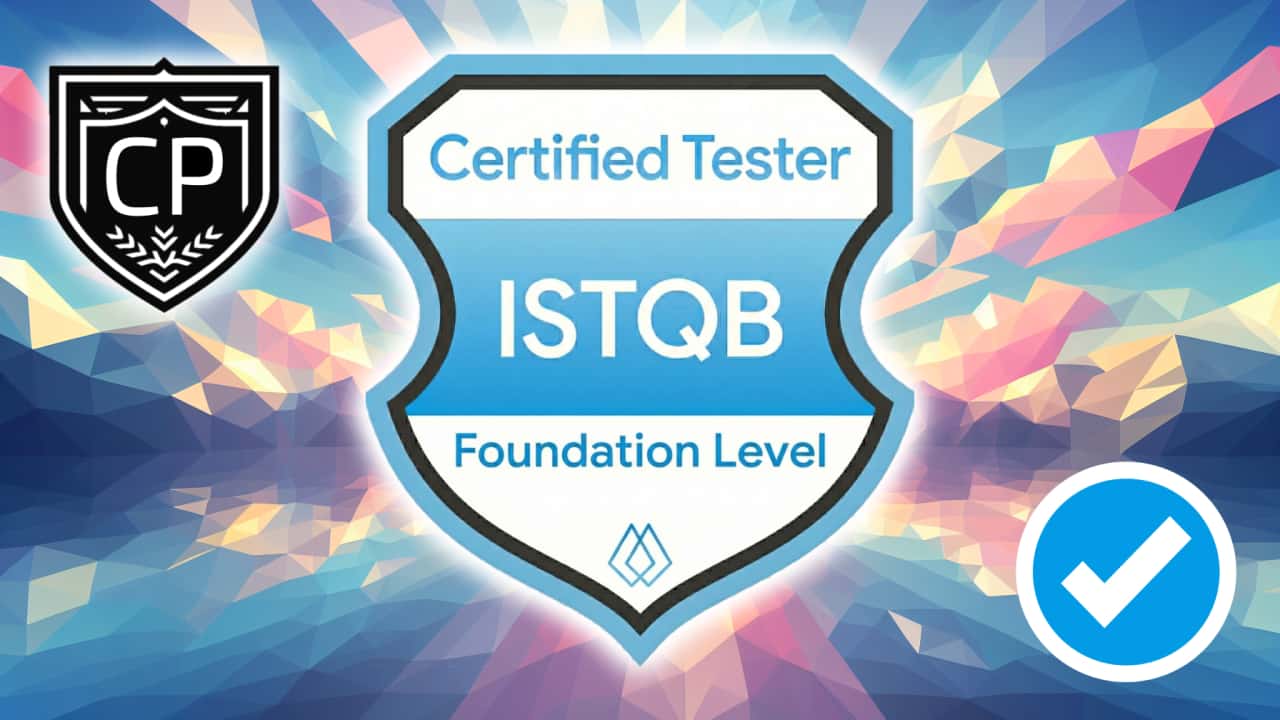
The ISTQB Certified Tester Foundation Level (CTFL) certification helps you build a strong foundation in software testing principles and practices. This overview offers clear insights into what the exam covers and how it strengthens your understanding of quality assurance and testing fundamentals.
How does the ISTQB Certified Tester Foundation Level Certification build your testing expertise?
The ISTQB Certified Tester Foundation Level certification verifies your knowledge of core testing principles, processes, and tools essential for quality-driven software delivery. It is ideal for testers, developers, business analysts, and anyone involved in software quality who wants to gain professional recognition in testing. By mastering key concepts such as testing within the software lifecycle, static testing, test design techniques, and tool support, you’ll enhance your ability to contribute effectively to any project, ensuring software meets both business and technical expectations.
Who Should Pursue the ISTQB Certified Tester Foundation Level (CTFL) Certification?
The ISTQB Certified Tester Foundation Level (CTFL) certification is designed for anyone seeking to develop a strong foundation in software testing. It’s ideal for:
- Aspiring software testers beginning their career in quality assurance
- Developers, test analysts, or engineers seeking to improve testing knowledge
- Project managers, business analysts, or consultants looking to understand testing processes
- IT leaders aiming to standardize quality practices within their teams
- Students preparing to enter the software testing profession
The CTFL is the perfect starting point for those looking to establish credibility in testing. It builds a universal vocabulary for software quality and aligns professionals around proven best practices that apply across methodologies such as Agile, DevOps, Waterfall, and Continuous Delivery.
What Career Opportunities Can the CTFL Certification Open?
The CTFL certification validates skills that are essential across diverse career paths in software development and quality assurance. With this globally recognized credential, you can pursue roles like:
- Software Tester or QA Analyst
- Test Engineer or Test Automation Specialist
- Quality Assurance Consultant or Manager
- User Acceptance Tester
- Software Developer focused on quality
- IT Project Coordinator or Business Analyst
Employers value CTFL-certified professionals because they understand structured testing approaches, reduce risks through quality processes, and contribute to higher reliability in software delivery.
What Is the Latest Version of the ISTQB CTFL Exam?
The current version of the exam is CTFL v4.0, which represents the most up-to-date foundation-level syllabus from ISTQB. This version reflects current testing practices and modern software development lifecycles, ensuring that your certification matches what employers expect in today’s industry.
How Many Questions Are on the ISTQB CTFL Exam?
The CTFL v4.0 exam consists of 40 multiple-choice questions. Each question tests your ability to recall, understand, and apply testing concepts across various domains. Some questions may offer multiple correct answers, requiring careful reading and comprehension.
Every question carries 1 point, for a total of 40 points available on the exam.
How Long Do You Have to Complete the Exam?
You’ll have 60 minutes to complete the CTFL exam. If you are taking the exam in a non-native language, ISTQB allows an extra 25% time extension, giving you 75 minutes total. Effective time management helps you stay calm, check your answers carefully, and ensure better results.
What Score Do You Need to Pass?
To pass the exam, you must achieve at least 26 out of 40 points, which equals a 65% passing score. This threshold demonstrates that you have a working knowledge of software testing terminology, techniques, and processes recognized internationally by ISTQB.
How Much Does the ISTQB Certified Tester Foundation Level Exam Cost?
The exam cost is approximately $229 USD. This fee may vary slightly depending on your country or local ISTQB board. The investment reflects the global recognition and long-term value of holding a standard-setting certification in software quality assurance.
In What Languages Is the CTFL Exam Available?
The ISTQB Foundation Level exam is widely accessible in over ten languages. These include:
- English
- Spanish
- German
- French
- Japanese
- Chinese
- Portuguese
- Russian
- Italian
- Dutch
- Polish
This multilingual offering enables global professionals to certify their testing knowledge in their preferred language.
What Content Areas or Domains Are Covered on the Exam?
The CTFL v4.0 exam is structured around six domains that encompass the essential knowledge areas every tester should master:
- Fundamentals of Testing
- Testing Throughout the Software Development Lifecycle
- Static Testing
- Test Analysis and Design
- Managing the Test Activities
- Test Tools
Each domain explores critical testing concepts—from understanding why testing is necessary, to designing test cases, managing risks, using tools effectively, and improving software quality across lifecycles.
What Are the Key Learning Outcomes of the CTFL Exam?
After earning your CTFL certification, you’ll be able to:
- Explain the role and importance of software testing in quality assurance
- Align testing with development lifecycles like Agile and DevOps
- Apply core test design techniques such as Equivalence Partitioning or Boundary Value Analysis
- Identify and report defects clearly and objectively
- Manage test planning, risk evaluation, and communication across teams
- Understand the value of automation, static testing, and continuous improvement
This foundation provides an adaptable framework for testing in any organization or technology stack.
How Difficult Is the ISTQB CTFL Exam?
The CTFL exam is designed to assess a fundamental understanding of software testing concepts, making it highly approachable for beginners. Candidates with basic exposure to software development or testing processes tend to succeed when they study the syllabus thoroughly and practice sample questions.
While not a programming exam, it emphasizes analytical thinking and the logical application of concepts—skills that align naturally with real-world IT work.
For focused preparation, you can use realistic ISTQB Certified Tester Foundation Level practice questions and mock exams to build practical confidence and simulate the actual test experience.
What Types of Questions Should You Expect?
The ISTQB CTFL exam includes:
- Multiple-choice questions with one correct answer
- Selective multiple-response questions with two or more correct answers
The questions are concise, scenario-based, and align closely with the learning objectives defined in the official syllabus. You’ll be tested on both conceptual understanding and the ability to apply those concepts to common testing situations.
Are There Any Prerequisites to Take the ISTQB Foundation Exam?
There are no formal prerequisites for the CTFL exam. Anyone interested in software testing or quality can register and attempt the certification. However, ISTQB recommends candidates have a basic familiarity with software development and a curiosity about testing methodologies.
Professionals transitioning from other fields, such as business analysis, project management, or software development, often find the CTFL to be an accessible first step into quality assurance roles.
What Skills and Knowledge Should You Focus on While Preparing?
To perform well on the CTFL exam, focus your learning around these key areas:
- Testing fundamentals and principles – Understanding why and how testing contributes to software success
- Test design techniques – Applying black-box and white-box techniques effectively
- Software Development Lifecycles – Integrating testing into Agile, DevOps, and continuous delivery pipelines
- Test management practices – Planning, risk analysis, reporting, and metrics
- Defect management – Writing clear, actionable defect reports
- Tool usage and automation – Recognizing how tools support testing activities
These knowledge areas empower you to think like a tester and add tangible value to any software project.
How Is the CTFL Exam Administered?
The ISTQB Foundation exam can be taken:
- Online, through approved remote proctoring providers
- In-person, at accredited testing centers worldwide
Both formats maintain strict identity verification and security protocols to ensure fairness. Choose the mode that fits your schedule and environment best.
What Happens After You Pass the CTFL Exam?
Once you pass, you’ll receive an official ISTQB Foundation Level Certificate that does not expire. This credential establishes your eligibility to pursue more specialized certification paths within ISTQB, such as:
- Core Advanced Level – Test Analyst, Technical Test Analyst, or Test Manager
- Agile Stream – Agile Tester
- Specialist Stream – Security Tester, Automotive Tester, Mobile Tester, and more
Each advanced level builds upon the foundational knowledge established in the CTFL.
How Much Time Should You Spend Preparing for the ISTQB CTFL Exam?
Preparation time varies by experience, but most candidates study between 25 to 40 hours. You can combine self-study using the official ISTQB syllabus with training from Accredited Training Providers offering classroom, online, or e-learning formats. Combining theory with practice questions helps reinforce your understanding and boosts retention.
What Training Options Are Available for CTFL?
You can prepare through:
- Accredited Training Courses – Verified by ISTQB Member Boards
- Self-study – Using the provided syllabus and recommended materials
- Practice Exams and Flashcards – Reinforcing memory and testing comprehension
- Study Groups and Forums – Exchanging insights with other learners
Accredited training ensures your materials stay aligned with the official syllabus, and is particularly useful for candidates who prefer guided support.
What Are the Benefits of Becoming ISTQB Certified?
The ISTQB CTFL certification is respected globally by employers and peers for its consistency, depth, and practical value. It offers several advantages:
- Enhances your professional credibility and career prospects
- Provides a structured understanding of modern testing principles
- Opens doors to advanced certifications and leadership roles in QA
- Builds a foundation for adopting test automation and process improvement
- Supports global mobility by offering a credential recognized in over 130 countries
Achieving your CTFL demonstrates your commitment to delivering reliable, high-quality software products.
How Much Does a CTFL Professional Typically Earn?
Salaries vary depending on region and role, but professionals holding a CTFL certification generally command higher earnings due to their validation of industry-standard testing skills. In many areas, CTFL-certified testers earn 10–20% more than uncertified peers, especially when combined with hands-on experience and automation proficiency.
How Long Is the CTFL Certification Valid For?
Unlike many other certifications, your ISTQB Certified Tester Foundation Level credential does not expire. This makes it a lifetime qualification, though many professionals choose to continue advancing to higher levels of the ISTQB certification track to stay aligned with emerging technologies.
Where Can You Learn More About the CTFL Certification?
For full details about registration, eligibility, syllabus documents, and official sample exams, visit the official ISTQB Certified Tester Foundation Level (CTFL) certification page.
The ISTQB Certified Tester Foundation Level (CTFL) certification is your gateway into the world of professional software testing. It provides the essential foundation for ensuring software quality, reducing risk, and improving user satisfaction. With consistent preparation and a passion for continuous improvement, you’ll be ready to join thousands of professionals worldwide who launched their quality assurance careers with CTFL.