Table of Contents
PMI Project Management Professional PMP Quick Facts
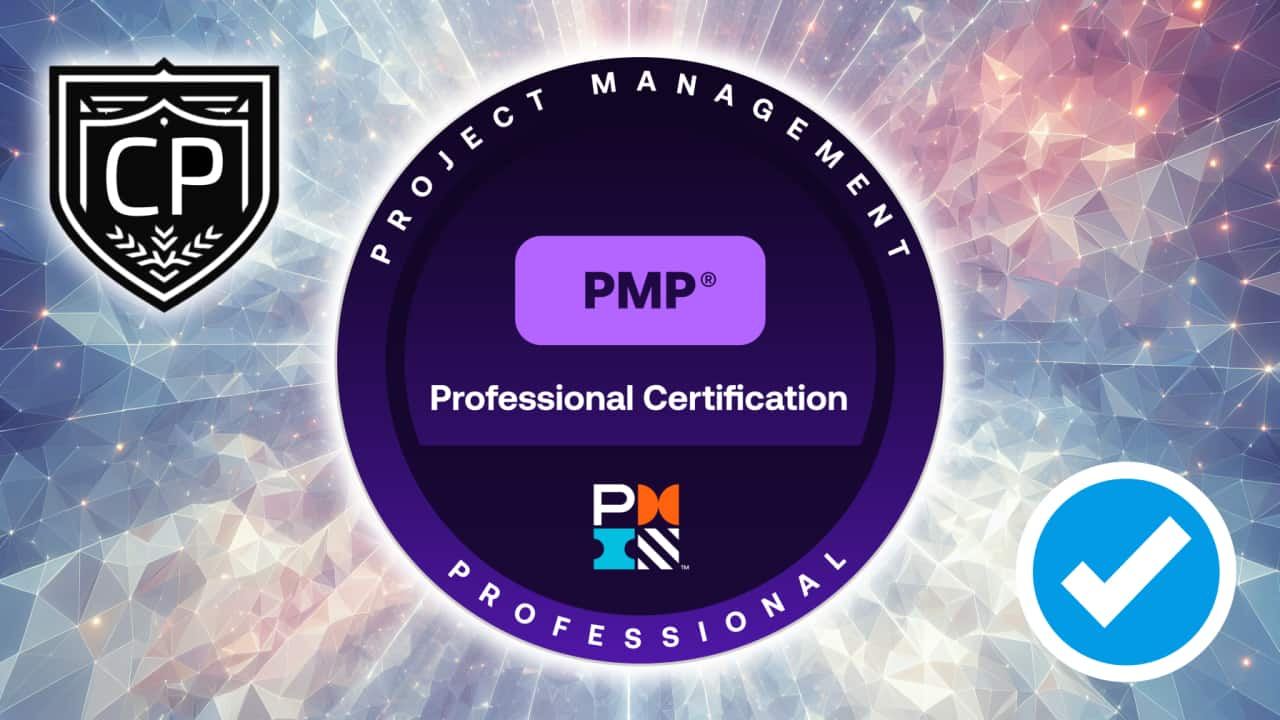
The PMI Project Management Professional (PMP) certification empowers project leaders to confidently deliver results across diverse industries. This overview provides everything you need to understand the structure, content, and focus areas of one of the world’s most respected credentials in project management.
What defines the PMP certification and why it matters for modern project leaders
The PMP certification, issued by the Project Management Institute (PMI), validates advanced competence in leading teams, driving value creation, and delivering successful projects across predictive, agile, and hybrid environments. This credential demonstrates mastery of critical skills such as stakeholder engagement, strategic alignment, risk management, and adaptive leadership. Earning your PMP positions you as a trusted professional capable of translating organizational strategy into measurable results, making you a valuable contributor and leader in any sector.
Who Should Earn the PMP Certification?
The PMI Project Management Professional (PMP) certification is designed for experienced project managers who lead teams and drive results in any industry. It’s ideal for professionals seeking to formalize their project management expertise and gain global recognition for their leadership and strategic capabilities. Whether you manage traditional (predictive), agile, or hybrid projects, the PMP demonstrates your ability to deliver business outcomes efficiently and ethically.
This certification is especially valuable for:
- Project and Program Managers ready to validate their experience
- Team Leaders and Scrum Masters transitioning into broader project leadership
- Project Coordinators aiming to advance their careers
- Business Analysts and Consultants who manage project deliverables and stakeholders
- Professionals in IT, engineering, finance, healthcare, or construction driving high-impact initiatives
If you’re passionate about leading teams and achieving measurable success, the PMP can be your gateway to even greater career opportunities.
What Career Opportunities Open Up with the PMP Credential?
Earning your PMP certification can be transformative. It signals to employers worldwide that you have the proven skills to plan, execute, and lead projects that deliver value. PMP holders are among the most sought-after professionals in business, consistently commanding high salaries and leadership roles.
Common job titles for PMP-certified professionals include:
- Project Manager or Senior Project Manager
- Program Manager or Portfolio Manager
- PMO Lead or Director of Project Management
- Business Transformation Manager
- Operations Manager
With this credential, you’ll be well-positioned to manage complex projects, lead strategic initiatives, and influence organizational change.
Which Exam Version and Outline Does the PMP Use?
The latest PMP exam follows the PMP Certification Exam Content Outline (ECO), designed around real-world project environments. It assesses your ability to apply leadership, process management, and business acumen across various project delivery approaches. The exam integrates predictive, agile, and hybrid methodologies, ensuring candidates demonstrate a balanced, modern understanding of project management.
How Much Does the PMP Exam Cost?
The PMP certification exam costs $675 USD for non-PMI members. However, if you’re a PMI member, you’ll receive a discounted rate (membership is recommended for additional benefits like exclusive resources and community access). Your total cost may vary slightly depending on your country and local tax regulations.
How Long is the PMP Exam?
You’ll have a total of 240 minutes (4 hours) to complete the exam. This time includes two optional 10-minute breaks, strategically placed to help you maintain focus throughout the experience. The exam is comprehensive, blending conceptual understanding with scenario-based problem-solving designed to mirror real-world project challenges.
How Many Questions are on the PMP Exam?
The PMP exam includes 180 questions in total. Of these, 170 questions are scored, and 10 are unscored pretest items that do not affect your result. The question formats include multiple-choice, multi-select, drag-and-drop, matching, and scenario-based case studies to evaluate your decision-making and practical application of project management principles.
What is the Passing Score for the PMP Exam?
PMI does not publish an official numeric passing score, but internal data confirms that a general threshold around 75% reflects strong exam performance. Each candidate’s score is determined using a psychometric analysis that ensures fairness across varying versions of the test. The exam results are presented in performance levels for each domain: Above Target, Target, Below Target, and Needs Improvement.
In What Languages is the PMP Exam Offered?
To support global learners, the PMP exam is available in over 15 languages, including English, Arabic, Chinese (Simplified and Traditional), French, German, Hebrew, Indonesian, Italian, Japanese, Korean, Polish, Portuguese (Brazilian), Russian, Spanish, and Turkish. Candidates can choose their preferred language during exam registration to make the experience as comfortable as possible.
How is the PMP Exam Structured?
The PMP exam assesses your knowledge across three domains:
- People
- Process
- Business Environment
Each domain includes real-world tasks and enablers that demonstrate how project managers lead successful outcomes.
Where and How Can You Take the PMP Exam?
You can choose between two flexible testing options:
- In-person at a Pearson VUE testing center for a secure, proctored environment
- Online, from your home or office, monitored by a live proctor
Both delivery methods follow the same structure and scoring system, allowing you to pick the method that fits your schedule and comfort level.
Are There Any Prerequisites for the PMP Certification?
Yes, PMI requires candidates to have both education and project management experience. You must meet one of the following paths:
- Secondary degree (high school diploma) plus 5 years of experience leading projects
- Bachelor’s degree (or equivalent) plus 3 years of experience leading projects
- PMI Global Accreditation Center (GAC) degree holder with 2 years of project leadership experience
In addition, you must complete 35 hours of project management education or training, which can be earned through PMI Authorized Training Partners or accredited institutions.
Is the PMP Exam Difficult to Pass?
The PMP exam is comprehensive, but fully achievable with the right preparation strategy. Success relies on understanding project management principles, practicing scenario-based thinking, and mastering the PMI domains. Consistent study and practice ensure you can apply your expertise with confidence when facing complex exam questions.
To strengthen your readiness, practice with realistic PMP practice exams and study tools designed to simulate the official PMI testing experience.
What Study Resources Are Available for the PMP?
PMI offers several official learning resources, including:
- PMI Study Hall® and on-demand prep courses
- Authorized Training Partner (ATP) instructor-led classes
- PMI’s Exam Content Outline and the PMBOK® Guide for foundational knowledge
- Sample questions and practice assessments through the PMI Learning Platform
In addition, reviewing agile frameworks, business case studies, and real-world project case examples will help you master the mindset and techniques expected on the test.
Which Skills Does the PMP Exam Evaluate?
The PMP measures a blend of leadership, strategy, and execution skills. You’ll be tested on your ability to:
- Lead diverse teams effectively
- Align projects to organizational strategy
- Manage risk, finance, and compliance
- Ensure stakeholder satisfaction and business value
- Apply hybrid and agile methodologies appropriately
It’s not just about theory—it’s about demonstrating your capability to turn vision into successful project outcomes.
How Should You Prepare for the PMP Certification Exam?
A structured plan can make preparation enjoyable and effective. Follow these steps:
- Review the PMP Exam Content Outline to understand what’s covered
- Choose your preferred learning format: self-paced, classroom, or blended
- Practice with timed mock exams to build familiarity and endurance
- Use PMI Study Hall® or other reputable tools for confidence building
- Join PMI or local chapter study groups for motivation and insight
Consistent preparation with varied learning methods ensures thorough understanding and lasting success.
What is the Duration of Validity for the PMP Certification?
Once earned, your PMP certification remains valid for 3 years. To maintain your credential, you must log 60 professional development units (PDUs) during each cycle through activities such as training, workshops, or project management contributions. Maintaining active certification demonstrates your ongoing commitment to professional excellence.
What Topics Are Covered Across the PMP Domains?
Here’s an overview of the domain focus areas:
- People
- Process
- Business Environment
This structure ensures that certified PMPs are capable leaders who understand not only how to manage projects but also how to align them with strategic goals.
Can You Retake the PMP Exam If You Don’t Pass the First Attempt?
Absolutely. Candidates can retake the exam up to three times within one year of their eligibility period. PMI encourages continuous learning and improvement, giving candidates the opportunity to strengthen their knowledge and reattempt successfully.
How Does the PMP Certification Benefit Your Career in the Long Term?
The PMP credential enhances your credibility and positions you as a global leader in project delivery. It demonstrates expertise in stakeholder alignment, value creation, and complex project execution—essential for professionals aspiring to senior leadership or consulting roles. With PMP certification, you’ll join a network of over a million global professionals who set the standard for project excellence.
How Does PMI Ensure Fairness and Global Relevance in the PMP Exam?
PMI conducts a Job Task Analysis (JTA) with experts from around the world to align the exam with current industry practices. The result is a balanced and relevant test that reflects real-world challenges and evolving methodologies, including AI integration, adaptability, governance, and sustainability in projects.
Why Is PMP Considered the Global Gold Standard in Project Management?
Recognized by employers worldwide, the PMP is accredited to ISO/IEC 17024 standards, confirming its credibility and quality. It demonstrates your ability to lead across cultures, industries, and methodologies. Holding a PMP sets you apart as a results-oriented leader capable of aligning project objectives with strategic business success.
Where Do You Register for the PMP Exam?
Ready to take the next step? Visit the official PMI Project Management Professional (PMP) certification page to create your account, submit your application, and schedule your exam. You can choose a convenient date, time, and delivery method. Once your application is approved, you’ll receive an email confirming your exam eligibility.
The PMI Project Management Professional (PMP) certification is more than a credential—it’s a global symbol of excellence in leadership and execution. With structured preparation, real-world experience, and the right study resources, you can confidently earn your PMP and elevate your recognition as a trusted project professional.