Table of Contents
NREMT Emergency Medical Technician EMT Quick Facts
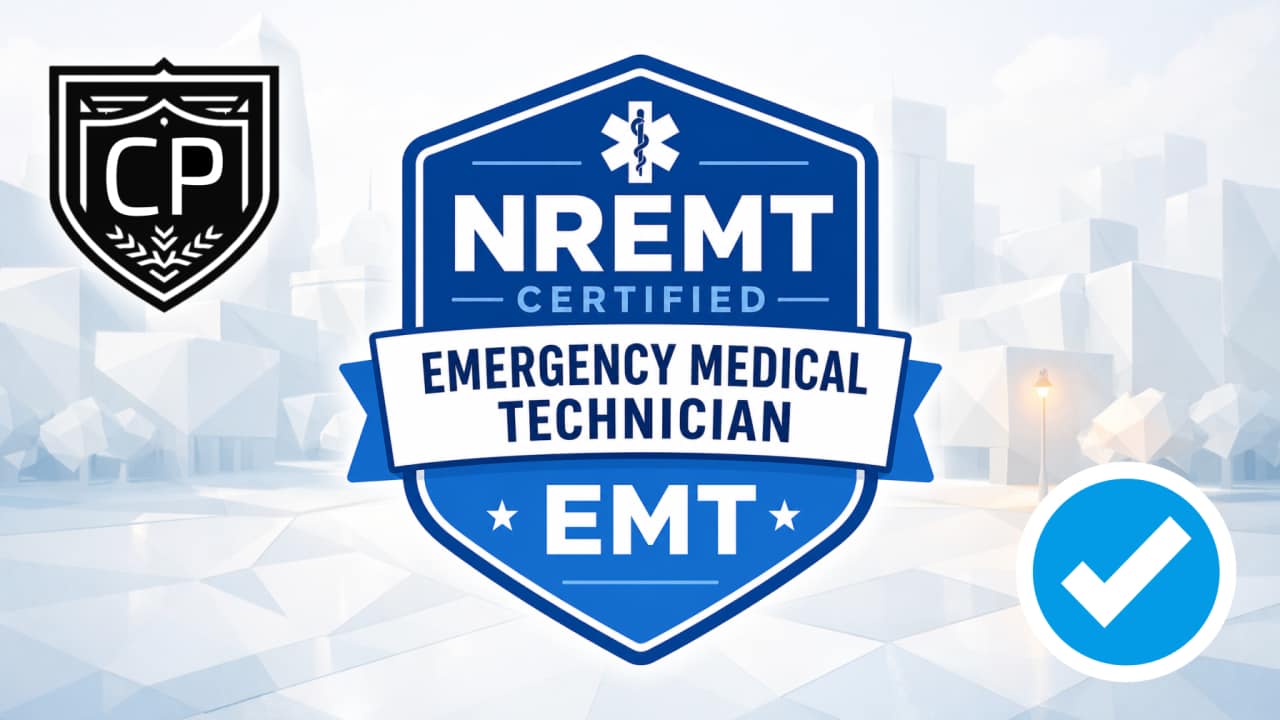
The NREMT Emergency Medical Technician (EMT) certification opens the door to a dynamic career dedicated to saving lives and serving communities. This overview brings clarity and confidence to your exam preparation, guiding you through the essential knowledge areas and expectations that shape successful EMT professionals.
How does the NREMT EMT certification prepare you for real-world emergency response?
The NREMT Emergency Medical Technician certification validates your readiness to deliver high-quality, compassionate prehospital care. It confirms your mastery of foundational EMS concepts, patient assessment, emergency treatment, transportation, and operational procedures that keep patients safe from the moment of contact until transfer of care. Holding this certification means you meet a national standard recognized by states, employers, and medical authorities, ensuring you are trusted to provide frontline emergency care.
Who Should Pursue the NREMT Emergency Medical Technician (EMT) Certification?
The NREMT Emergency Medical Technician (EMT) certification is designed for individuals who are passionate about emergency medicine and want to provide lifesaving care in their communities. It’s ideal for:
- Students entering Emergency Medical Services (EMS)
- Firefighters, law enforcement officers, lifeguards, and other first responders
- Healthcare workers expanding into prehospital care
- Military medics transitioning to civilian EMS
- Individuals pursuing careers in nursing, paramedicine, or emergency management
Becoming an EMT through the NREMT demonstrates your readiness to handle emergencies, your commitment to patient care, and your ability to serve as a vital link between the scene and the healthcare system.
What Roles Can You Qualify for After Earning the EMT Certification?
Once certified, you can begin an impactful career in emergency care or use your EMT experience as a foundation for advancement in healthcare. Typical roles include:
- Emergency Medical Technician (EMT) with a private or municipal ambulance service
- Emergency Department Technician in hospitals or trauma centers
- Event or industrial safety EMT
- Firefighter with EMT responsibilities
- Search and rescue responder
- EMS instructor or training assistant (after gaining field experience)
Serving as an EMT builds communication, teamwork, and patient assessment skills that are respected across all healthcare professions.
What Is the Purpose of the EMT Certification Exam?
The National Registry EMT (NREMT EMT) certification exam evaluates whether you can safely perform at the entry level as an EMT. Its purpose is to ensure that every certified EMT possesses the knowledge, judgment, and hands-on abilities needed to assess, treat, and transport patients. The exam focuses on real-world decision making, emphasizing scene safety, patient assessment, and EMT-level interventions within the EMS system.
How Is the NREMT EMT Exam Structured?
The exam is delivered using Computerized Adaptive Testing (CAT), which means the test adjusts to your performance in real-time. You'll answer a mix of multiple-choice and multi-select questions tailored to your skill level as the exam progresses. Candidates will see between 70 and 120 total questions, including 10 unscored pilot items that don’t affect your result. Each item is designed to mirror authentic EMT situations where clinical reasoning and safety come first.
How Much Time Do Candidates Have for the EMT Exam?
You’re given 120 minutes (2 hours) to complete the entire exam. This time frame allows for thoughtful reading of scenario-based questions while maintaining a steady pace. Because the test is adaptive, some candidates may finish earlier without feeling rushed.
What Score Do You Need to Pass?
You’ll need a minimum passing score of 70 (on a 0–99 scale) to earn your National Registry EMT certification. The NREMT uses advanced psychometric scoring to ensure fairness, focusing on overall performance rather than requiring you to pass each content area individually. Once you reach the passing standard, the system ends your test—often before you reach the maximum number of items.
What Does the Exam Cost?
The exam fee is $104 (USD), payable when scheduling your NREMT EMT certification test. This investment covers the development, secure delivery, and scoring of your national EMT credential. Most candidates find that this cost is an excellent value for the professional opportunities it opens across public safety and healthcare.
Where Do You Take the NREMT EMT Certification Exam?
The exam is administered by Pearson VUE, either at a certified testing center or through a secure online proctored experience. You can choose to take it from home, work, or an approved test site—whichever is most comfortable and suits your schedule. Both testing options follow strict identity verification and monitoring for exam integrity.
What Languages Is the EMT Exam Available In?
The EMT certification exam is currently available in English. Candidates requiring accessibility accommodations can request them during registration so everyone has a fair opportunity to demonstrate their skills and knowledge.
How Is the EMT Certification Exam Scored?
Each question is scored dichotomously—you get full credit for correct responses and no credit for incorrect ones. Because it’s a Computerized Adaptive Test, your next question difficulty depends on how you did on the previous one. When the system is 95% confident about your competency level, your exam automatically ends, ensuring an efficient and precise measurement of your abilities.
What Types of Questions Will You Encounter?
You will encounter several question formats including:
- Multiple-choice (one correct answer)
- Multiple-response (two or more correct answers)
- Options table (classifying responses)
- Build list and Drag-and-drop (organizing steps or categories)
Each format reflects real EMT field decisions like choosing the safest next action or identifying the correct patient management sequence.
What Prerequisites Are Required to Take the EMT Exam?
Before applying, candidates must complete an NREMT-approved EMT education program that meets the National EMS Scope of Practice Model. Graduates must also hold a current CPR certification for healthcare providers. Once your training program verifies course completion, you’re eligible to apply for the certification exam through the National Registry website.
How Should You Register for the NREMT EMT Exam?
Registration is completed online through the National Registry portal after your educational institution verifies your course completion. You’ll then receive an Authorization to Test (ATT) notice, which allows you to schedule your exam with Pearson VUE. Test appointments are available year-round, offering flexibility for busy students and working professionals alike.
How Long Is the EMT Certification Valid?
Your National Registry EMT certification remains valid for two years. To maintain your credential, you must complete continuing education and meet recertification requirements before expiration. This ensures that every EMT stays up to date with evolving best practices, techniques, and safety standards.
Are There Renewal or Recertification Options?
Yes, EMTs can renew certification either by completing continuing education hours through the National Continued Competency Program (NCCP) or by retaking the cognitive exam. Most EMTs choose continuing education, as it helps them expand their patient-care knowledge while keeping certification active.
How Difficult Is the EMT Exam?
The NREMT EMT exam is thorough, but candidates who dedicate time to studying core concepts and practicing real-world scenarios perform very well. Success comes from understanding—not memorizing—EMS principles like airway management, patient prioritization, and teamwork. Realistic practice tests are key to developing both confidence and accuracy under exam conditions.
To strengthen your preparation, try realistic, scenario-based EMT simulations through EMT practice exams that reflect the official NREMT structure.
What Are the Most Important Areas to Study?
Your study plan should emphasize:
- Scene safety and hazard recognition
- Primary and secondary patient assessments
- Airway and ventilation management
- CPR and AED procedures
- Bleeding and shock control
- EMS communication and documentation
- Special patient populations, including pediatric, obstetric, and geriatric patients
- Ethical and legal responsibilities
Focusing on these essentials ensures you are mentally and practically ready for any emergency call.
How Can You Prepare Effectively for the EMT Exam?
Build a balanced study approach that includes:
- EMT Textbook Review: Revisit key anatomy, physiology, and patient-care protocols.
- Skills Practice: Rehearse airway management, splinting, and CPR on mannequins or in labs.
- Online Courses and Flashcards: Use digital tools for flexible learning and quick refreshers.
- Mock Tests: Take full-length practice exams under timed conditions to improve pacing.
- Study Groups: Learning collaboratively fosters deeper understanding of scenario-based care.
A mix of study formats helps retain both factual and situational knowledge, preparing you for field success.
How Can EMT Certification Advance Your Career?
The EMT credential is often a launching pad into other healthcare or public safety careers. Many EMTs go on to become paramedics, nurses, physician assistants, emergency managers, or fire officers. The skills learned in patient assessment, teamwork, and decision-making remain valuable across multiple disciplines within medicine and emergency services.
What Happens After You Pass?
Once you’ve passed the certification exam and met all state requirements, you’ll receive your National Registry EMT card and official digital credentials. You can then apply for state licensure, which allows you to begin working or volunteering as a certified EMT. Congratulations—this is your entry into a lifelong, meaningful career in helping others.
Where Can You Learn More or Begin Registration?
To get started or verify the latest eligibility requirements, visit the official NREMT Emergency Medical Technician (EMT) certification page. You’ll find official policies, application forms, and state-specific details to guide your next steps confidently.
The NREMT Emergency Medical Technician (EMT) certification opens the door to an incredibly rewarding career where quick thinking and compassion save lives. By mastering patient assessment, clinical decision-making, and safety principles, you’ll join a proud tradition of emergency responders who make a difference every day. With preparation, focus, and dedication, your goal of becoming a nationally registered EMT is fully within reach.